


Tropical Wedding Bouquets Copper Orchid
Tropical Wedding Bouquets Copper Orchid combines copper anthurium, luminous white orchids, orange ginger, bird of paradise, sculptural golden accents, monstera leaves, and deep tropical greenery. Its warm architectural design is ideal for destination, resort, botanical garden, greenhouse, beach, summer, and contemporary weddings.

-
Free shipping on all orders over $30 in the Greater Vancouver Area
bridal blooms turn tropical with copper anthurium, white orchids, orange ginger, bird of paradise, monstera, and deep green foliage.
Tropical Wedding Bouquets Copper Orchid is a bold botanical composition built around warm copper-orange flowers and crisp white orchids. The bouquet feels polished rather than overly lush, with every tropical variety given enough room to show its individual shape. Burnished anthurium, orange ginger, bird of paradise, creamy coral flowers, white phalaenopsis orchids, a sculptural golden accent, monstera leaves, and layers of dark greenery create a design that looks contemporary, exotic, and unmistakably bridal.
The copper-toned anthurium immediately becomes a focal point. Its smooth heart-shaped surface catches the eye because it contrasts with almost every other flower in the arrangement. Warm rust and terracotta undertones give it a sophisticated finish, while the pale central spadix adds definition without introducing another competing color.
White phalaenopsis orchids create the bouquet’s brightest area. Positioned prominently along the lower right side, their clean petals bring bridal freshness into a composition dominated by fiery tropical shades. They also create visual breathing room between the orange flowers and broad dark foliage.
This balance of warm tropical color and pure white orchids gives Copper Orchid unusual versatility. It can feel adventurous in a destination setting, yet still elegant enough for a formal ceremony with a structured satin gown.
Orange ginger-style flowers create rich volume on the left and through the center. Their layered shapes introduce depth without feeling soft or overly romantic. The blooms range from burnt coral to vivid orange, giving the bouquet a natural tonal progression rather than one flat shade.
Bird of paradise adds the most dramatic directional movement. Its narrow pointed petals rise upward through the arrangement, creating sharp lines that contrast with the rounded orchids and smooth anthurium. These flowers give Copper Orchid an architectural quality and prevent it from becoming a traditional round bouquet.
Additional peach and coral flowers soften the stronger tropical forms. Their warmer pastel tones act as a bridge between orange ginger and white orchids, helping the overall palette feel intentional and harmonious.
A sculptural golden botanical element appears near the center. Its curled form provides an unexpected decorative detail and reinforces the bouquet’s warm metallic feeling. This small accent makes the arrangement especially interesting in close-up photographs.
The monstera leaf creates one of the bouquet’s strongest visual signatures. Positioned toward the right side, its large split surface frames the white orchids and gives the composition a clear tropical identity. Rather than hiding the foliage beneath flowers, the design allows the leaf to become part of the bouquet’s architecture.
Longer pointed leaves rise through the back and sides, adding height and structure. Dark glossy greenery sits closer to the flowers, producing shadow and depth. This layered use of foliage keeps the bouquet from appearing flat while making the orange and white flowers appear brighter.
For brides seeking bridal blooms with a strong modern personality, Copper Orchid offers a memorable alternative to blush roses, peonies, and traditional greenery. It is tropical without looking casual, colorful without becoming overly busy, and bold without requiring an enormous cascade.
The bouquet pairs especially well with a clean satin or crepe gown. Smooth white fabric acts as a neutral backdrop for the orange flowers and sculptural leaves, allowing every element to remain visible. An off-the-shoulder neckline makes the bouquet feel particularly elegant because the simple gown shape does not compete with the tropical design.
With lace, Copper Orchid creates a different effect. Intricate embroidery contrasts with the broad monstera leaf and polished anthurium, producing an appealing mixture of romantic tradition and modern botanical styling.
Pearls are an excellent accessory choice. Their creamy surface echoes the orchids and creates a softer bridal contrast against the darker foliage. Warm gold jewelry can emphasize the copper and orange tones, while rose gold works naturally with the bouquet’s coral accents.
The bouquet suits destination weddings, tropical resorts, modern beach ceremonies, greenhouse venues, botanical gardens, contemporary estates, and sophisticated summer celebrations. It can also work beautifully indoors, especially in venues with minimal decor where the flowers provide a strong visual focal point.
Bridesmaid bouquets can use a simplified version of the same palette. One white orchid, a coral tropical bloom, and several dark green leaves would coordinate beautifully without competing with the bride.
Another approach is to give bridesmaids mostly greenery and white orchids while reserving the copper anthurium and bright orange flowers for the bridal bouquet. This creates a clear visual hierarchy when the wedding party is photographed together.
Ceremony installations can borrow the bouquet’s strong shapes. Monstera leaves, palm-style greenery, and pointed foliage can form an asymmetric botanical base. Orange ginger and bird of paradise can then be concentrated in selected areas, while white orchids provide elegant highlights.
Instead of covering an entire arch with flowers, consider leaving open areas between tropical clusters. The negative space will allow unusual flower shapes to remain visible and create a cleaner, more contemporary ceremony backdrop.
Aisle arrangements can be minimal. One large tropical leaf paired with an orchid or orange bloom at selected rows is enough to establish continuity without making the ceremony styling repetitive.
Reception centerpieces can reinterpret Copper Orchid in lower arrangements. Wide ceramic vessels containing anthurium, orchids, orange ginger, and tropical leaves would echo the bridal bouquet while remaining practical for conversation.
Long tables can use individual stems in narrow vases. Alternating white orchids, copper anthuriums, orange flowers, and sculptural greenery creates a botanical rhythm while giving each flower enough space to be appreciated.
The palette works naturally with terracotta, coral, burnt orange, warm ivory, forest green, bronze, champagne, and gold. For a light destination wedding, pair the bouquet with white linen, pale wood, and clear glass. For a moodier evening reception, use dark green napkins, amber candles, brass accents, and smoked glass.
Copper Orchid can also inspire stationery and small decor details. Warm rust envelopes, ivory menus, botanical green place cards, or subtle copper foil can reference the bouquet without turning the wedding into an obvious tropical theme.
Availability of specialty tropical flowers can vary by season and region. A florist may substitute related anthurium, ginger, heliconia, orchids, or exotic foliage while maintaining the bouquet’s overall color balance and architectural structure.
When discussing bridal blooms with your florist, describe Copper Orchid as tropical, sculptural, warm-toned, asymmetric, and foliage-driven. Mention that the white orchids should remain clearly visible and that the large tropical leaves should form part of the silhouette rather than disappearing behind the flowers.
Ask for individual tropical flowers to have breathing room. Packing every bloom tightly together would reduce the distinctive form of the anthurium, bird of paradise, and orchids. The beauty of this bouquet comes from contrast between broad shapes, pointed petals, and open spaces.
The handle should be wrapped securely but kept visually clean. Ivory, white, champagne, or muted terracotta ribbon would work beautifully without distracting from the flowers.
Before the ceremony, keep Copper Orchid in a shaded indoor location with a stable temperature. Avoid prolonged exposure to direct sunlight, heaters, strong drafts, or very cold air conditioning.
If your florist recommends hydration, place the stems in fresh clean water while keeping decorative ribbon above the water line. Use a container wide enough that the monstera leaf and outer foliage are not folded inward.
Carry the bouquet by the wrapped stems rather than touching the orchids or anthurium. Orchid petals can bruise, while anthurium surfaces may show pressure marks or fingerprints if handled repeatedly.
When resting the bouquet, keep it upright in a supportive vase. Avoid placing it flat on a chair, table, or vehicle seat because the large tropical leaves can crease and the orchid petals may become compressed.
During outdoor portraits, return the bouquet to shade during long breaks. If several hours separate the ceremony and reception, follow the florist’s instructions regarding hydration and storage.
After the wedding, selected tropical leaves and sturdy flowers may be suitable for professional preservation. A preserved orchid, small monstera section, ribbon, or dried tropical accent can become a distinctive keepsake from the celebration.
Tropical Wedding Bouquets Copper Orchid brings together warmth, contrast, and architectural botanical beauty. Copper anthurium adds polish, white orchids create bridal softness, orange tropical flowers provide energy, monstera gives structure, and deep greenery completes an arrangement designed to feel modern and memorable.
Related Products
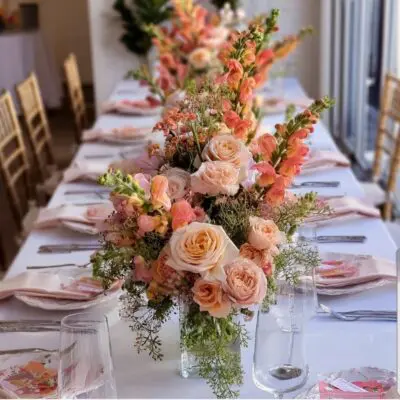
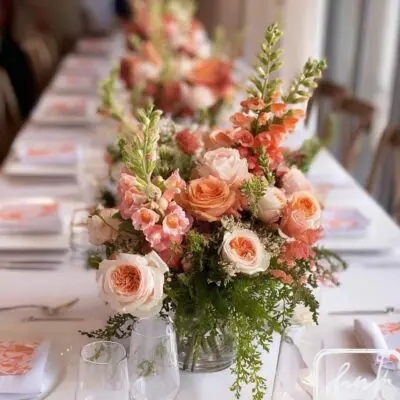
Peach Petals flower centrepiece for Wedding table
Price range: $79.00 through $149.00
Recently Viewed Products



Birthday Bouquet Spring Notes: A Cheerful Celebration in Full Bloom
Price range: $99.00 through $229.00

Reviews
There are no reviews yet.