

Fall Wedding Bouquets Copper Wildwood
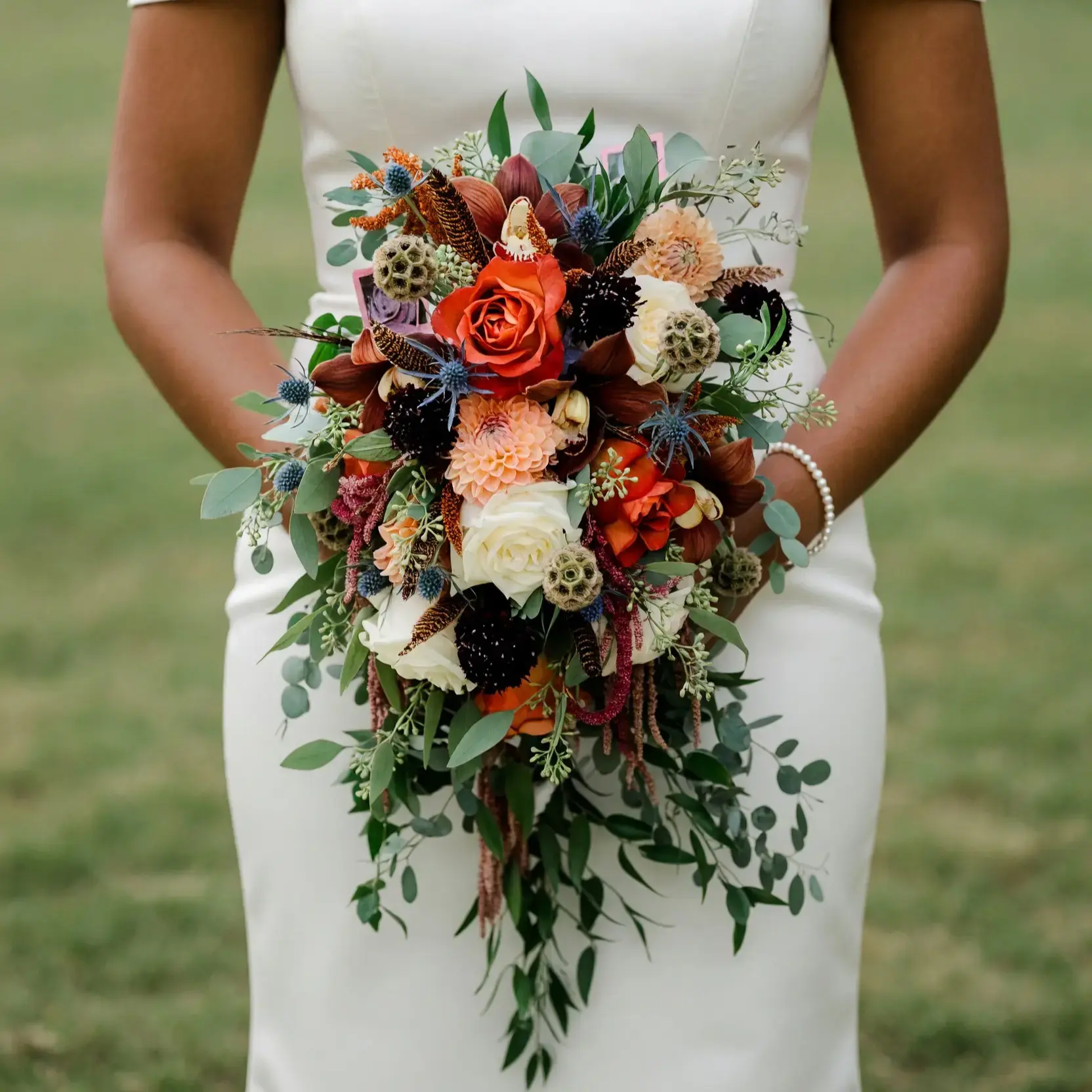
A richly textured fall bridal bouquet featuring copper roses, warm orchids, ivory and peach flowers, dark accents, blue thistle, sculptural seed pods, eucalyptus, and cascading greenery. Ideal for vineyard, estate, woodland, botanical, countryside, or elegant autumn weddings.

-
Free shipping on all orders over $30 in the Greater Vancouver Area
Bridal flowers bouquets turn adventurous for fall with copper roses, ivory blooms, orchids, blue thistle, seed pods, and cascading greenery.
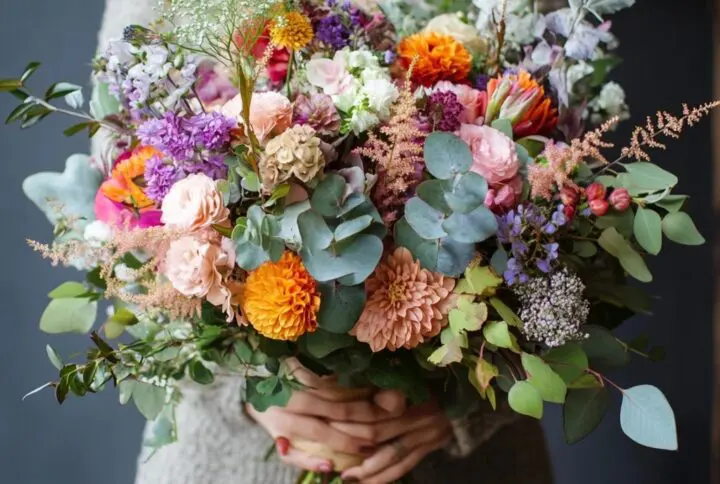
Fall Wedding Bouquets Copper Wildwood is a richly textured autumn bridal arrangement created for brides who love botanical detail, warm seasonal color, and an organic cascading silhouette. Burnt-orange roses, creamy ivory flowers, peach dahlias, copper-toned orchids, dark burgundy blooms, blue thistle, sculptural seed pods, eucalyptus, hanging amaranthus, and loose greenery combine in a bouquet that feels both romantic and distinctive. Its unusual mix of flowers and natural textures gives the design an editorial quality while keeping enough traditional roses and pale blooms to remain unmistakably bridal.
Burnt-orange roses provide a warm focal point through the center of the arrangement. Their rich copper coloring immediately evokes autumn leaves, amber sunsets, and candlelit celebrations. These roses create a striking contrast against the bride’s white gown while connecting naturally with the darker brown, burgundy, and rust botanical details.
Cream and ivory flowers brighten the bouquet and keep the stronger fall shades from becoming overwhelming. Their soft petals introduce a classic wedding element and provide visual resting points among the orange roses, dark flowers, textured seed pods, and abundant greenery.
Soft peach dahlias add another romantic layer. Their structured petals bring fullness and a gentler version of the bouquet’s warm palette. Peach works especially well beside copper and ivory because it creates a smooth transition rather than a sharp contrast.
Copper-brown orchids add a sophisticated exotic quality. Their sculptural petals immediately make the bouquet feel more artistic and unexpected. Orchids are especially effective in bridal flowers bouquets where the bride wants traditional romance mixed with modern floral design.
Deep burgundy and nearly black flowers introduce drama. Their dark coloring creates depth between the brighter blooms and makes the orange roses appear even more luminous. Small black-centered flowers are distributed throughout the bouquet, giving the arrangement a moody late-season character.
Blue thistle adds one of the most memorable contrasts. Its cool steel-blue tone stands apart from the copper, orange, and burgundy palette, yet the muted shade works naturally with eucalyptus. The pointed texture of thistle also contrasts beautifully with the softer petals of roses and dahlias.
Rounded seed pods create an earthy botanical element. Their unusual structure adds interest without requiring additional bright color. These pods reinforce the bouquet’s wild autumn character and make the design especially appealing for woodland, estate, countryside, or botanical weddings.
Small textured spikes and bronze-toned botanical accents are woven between the larger flowers. These details give the bouquet a layered appearance and create visual movement from the upper floral cluster into the lower cascade.
Eucalyptus provides the bouquet’s soft blue-green foundation. Its rounded leaves balance the stronger flowers and create a calm, natural frame. Longer eucalyptus stems fall downward through the arrangement, supporting the cascading structure.
Narrower leafy greenery adds graceful vertical movement. The foliage becomes increasingly loose toward the bottom, allowing the bouquet to transition naturally from a dense upper section into an airy waterfall.
Trailing burgundy amaranthus adds another seasonal detail. Its long hanging strands introduce movement and echo the darker wine-colored flowers near the top. Because the amaranthus is used selectively, it adds drama without making the bouquet feel too heavy.
The overall silhouette is asymmetrical and strongly cascading. Flowers remain abundant near the bride’s hands, while foliage and textured elements gradually extend downward. This elongated form can create a beautiful visual line against fitted gowns and looks particularly impressive in full-length wedding photography.
Bridal flowers bouquets with this type of cascade pair beautifully with minimalist dresses. A clean satin, crepe, silk, or mikado gown creates a simple background that allows the complex botanical design to become the main decorative feature.
Lace gowns are equally suitable. Detailed embroidery echoes the bouquet’s intricate seed pods, thistle, orchids, and textured accents, while the orange and burgundy flowers create rich contrast against ivory fabric.
Bridesmaid dresses in terracotta, burgundy, rust, forest green, copper, mocha, champagne, navy, or dusty peach can coordinate naturally with Copper Wildwood. Smaller bridesmaid arrangements could feature orange roses, ivory blooms, eucalyptus, and limited thistle while reserving the orchids and dramatic cascade for the bride.
The same palette can continue through ceremony decor. Burnt-orange roses, ivory flowers, eucalyptus, dark blooms, orchids, and botanical seed pods can create focal clusters on a wedding arch. Trailing greenery can extend from selected areas to echo the bridal bouquet.
Aisle arrangements can use a softer interpretation with eucalyptus, ivory flowers, and a few copper roses. This creates visual continuity without competing with the bride’s more elaborate arrangement.
Reception centerpieces can reinterpret these bridal flowers bouquets in loose garden-inspired designs. Copper roses, peach dahlias, dark flowers, blue thistle, seed pods, and eucalyptus would look beautiful in antique brass vessels, textured ceramic bowls, smoked glass, stone compotes, or dark metal containers.
Warm candlelight is particularly flattering to this palette. Copper flowers become richer, ivory blooms appear softly luminous, and the cool blue thistle provides subtle contrast. Brass candleholders, amber glassware, dark wood, taupe linens, and rust napkins can complete the autumn atmosphere.
This bouquet works especially well for vineyard weddings, country estates, historic venues, botanical gardens, elegant barns, woodland ceremonies, and intimate evening receptions. It can support both rustic-modern and sophisticated editorial wedding styles.
When discussing the design with a florist, describe it as autumnal, cascading, botanical, textured, romantic, earthy, and dramatic. Mention copper roses, ivory flowers, peach dahlias, brown orchids, dark blooms, blue thistle, seed pods, eucalyptus, burgundy amaranthus, and loose greenery.
Exact flower varieties may change according to seasonal availability. A skilled florist can preserve the same visual impression by maintaining the combination of warm copper, ivory, peach, burgundy, muted blue, earthy brown, and eucalyptus green.
The bouquet can be customized in several directions. Additional ivory flowers will make it lighter and more traditional, while more dark burgundy blooms will create a moodier result. Increasing orange roses produces a warmer harvest feeling, while additional thistle gives the design a cooler and more unconventional edge.
The cascade length can also be adapted. A shorter version offers easier handling and a softer silhouette, while a longer version creates more dramatic movement for ceremony entrances and portrait photography.
Proper care is important before the ceremony. Keep the bouquet in a cool shaded place away from direct sunlight, fireplaces, radiators, heating vents, and warm windows. Roses, dahlias, and orchids can lose moisture or change appearance when exposed to excessive heat.
Whenever the bouquet construction allows, place only the exposed fresh stem ends in clean water. Keep wrapping, ribbon, flower heads, seed pods, amaranthus, and decorative foliage above the water line unless the florist gives different instructions.
Handle the bouquet mainly by the wrapped stems. Orchid petals can show pressure marks, rose petals may bruise, and thistle or fine botanical elements can shift if repeatedly touched.
During transportation, keep the bouquet upright in a stable container with sufficient space around the outer flowers and cascade. Avoid allowing garment bags, luggage, boxes, or other floral arrangements to press against the design.
For bridal portraits, hold the bouquet naturally around waist height and allow the greenery to fall freely. This position displays the warm roses, ivory flowers, dark accents, and full cascading silhouette without hiding the shape against the gown.
When the bouquet is not being carried, place it in a supportive vase or bouquet stand rather than laying it directly on furniture, grass, or flooring. This protects the delicate lower foliage and helps preserve the intended shape.
After the ceremony, move the flowers to a cool protected space whenever practical. Rehydrate appropriate stems and keep the bouquet away from heaters, candles, strong wind, and prolonged direct sunlight.
Selected eucalyptus, seed pods, thistle, roses, and botanical accents may also be professionally preserved after the wedding. Dried elements can become framed floral art, a shadow box, or another meaningful keepsake.
Choose Fall Wedding Bouquets Copper Wildwood for an autumn wedding filled with rich color, natural texture, and graceful movement. Copper roses, orchids, ivory flowers, blue thistle, seed pods, eucalyptus, and cascading greenery create bridal flowers bouquets with an expressive, sophisticated seasonal personality.
Related Products
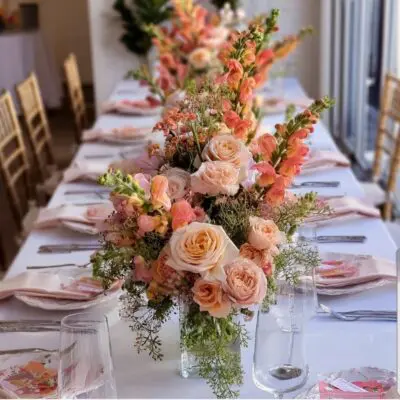
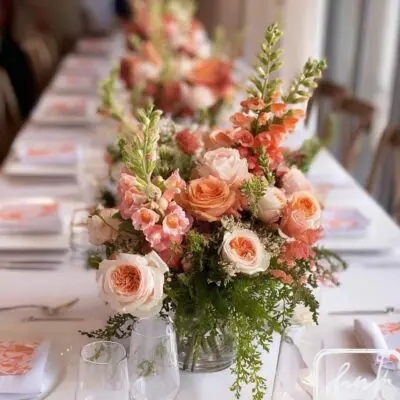
Peach Petals flower centrepiece for Wedding table
Price range: $79.00 through $149.00
Recently Viewed Products
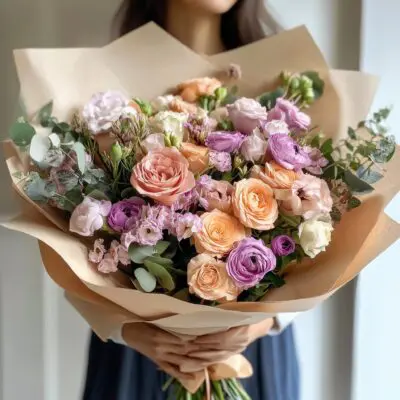
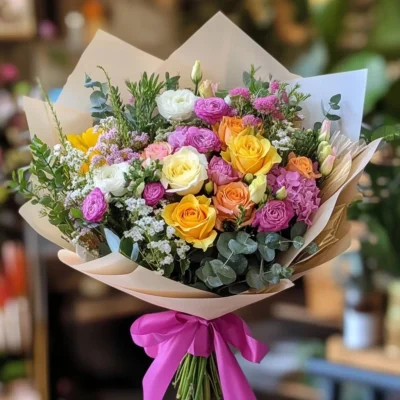
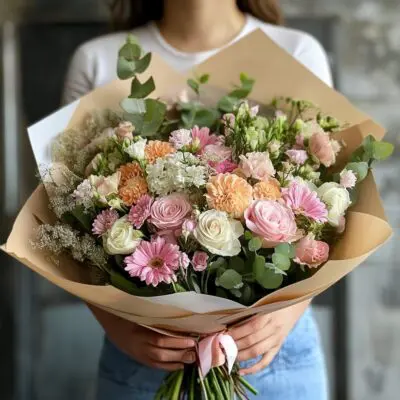
Birthday Bouquet Spring Notes: A Cheerful Celebration in Full Bloom
Price range: $99.00 through $229.00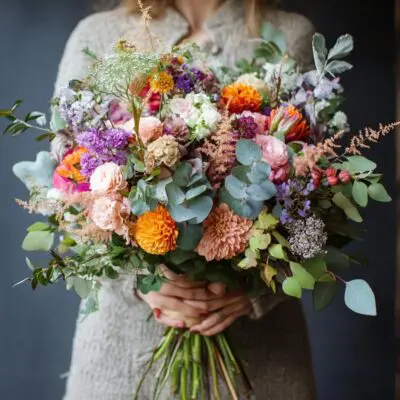

Reviews
There are no reviews yet.